

Flamenco watching in Málaga, are you looking to experience an authentic flamenco show? You’ll be spoiled for choice. From intimate flamenco clubs and professional theatres to atmospheric restaurants where music, singing and dance come together, Málaga offers unforgettable flamenco experiences. The best places to watch flamenco in Málaga are:
- Peña Juan Breva (traditional flamenco club)
- Teatro Flamenco Málaga (daily professional performances)
- Alegría Málaga (dinner with a flamenco show)
- El Gallo Ronco (small restaurant with live flamenco)
Further on in this article, we’ll tell you more about these venues and explain why flamenco is so much more than just a dance.
What is flamenco?
When people think of Andalusia, they almost automatically think of flamenco. Yet flamenco is far more than music or dance. It is an art form where emotion, history and culture come together. The combination of singing (cante), guitar playing (toque) and dance (baile) tells stories of love, sorrow, freedom and joy. It’s no coincidence that flamenco has been recognised as UNESCO Intangible Cultural Heritage since 2010. Once you’ve experienced a truly great performance, you’ll understand why many Andalusians say that flamenco isn’t danced—it is felt.
Where does flamenco come from?
Flamenco originated in Andalusia, particularly in the provinces of Cádiz, Seville, Córdoba and Granada. During the 18th and 19th centuries, different cultures merged in southern Spain. Influences from Moorish music, Jewish singing traditions, African rhythms and the culture of the Gitanos (Spanish Roma) evolved into what we now know as flamenco. Every performance tells a story. Sometimes quiet and melancholic, sometimes vibrant and full of passion.
What are the different styles of flamenco?
Many visitors assume flamenco is a single dance. In reality, flamenco consists of dozens of different styles, known as palos. Each style has its own rhythm, atmosphere and history. The three best-known styles you’ll most likely encounter during your trip to Andalusia are:
- Sevillanas
- Bulerías
- Rumba Flamenca
Around Málaga you’ll also find a unique local tradition: Verdiales.
Sevillanas: the dance of the feria
When I started taking flamenco lessons in Álora, I discovered that my first classes focused on Sevillanas. This dance originated in Seville and is performed during almost every feria (traditional Andalusian fair). Sevillanas consists of four fixed sections with a set choreography, making it one of the easiest flamenco dances to learn. Many Andalusian children even learn the basics at school. During a feria, you’ll see people dancing together everywhere. You don’t need a regular dance partner—everyone joins in. Although Sevillanas is not officially considered pure flamenco, it is an inseparable part of Andalusian culture.
Bulerías: pure flamenco
While Sevillanas follows a structured pattern, Bulerías is all about improvisation. This style originated in Jerez de la Frontera and is considered one of the most challenging and impressive forms of flamenco. Its rhythm consists of twelve beats with unexpected accents. Dancers constantly respond to the guitarist, the singer and the audience. During my own lessons, I’ve discovered that this style requires a great deal of confidence. It’s not just about knowing the steps—you also need presence, charisma and the courage to improvise. Quite a challenge for someone with Dutch roots! Professional flamenco performances often end with a bulería because its energy almost always captivates the audience.
Rumba Flamenca
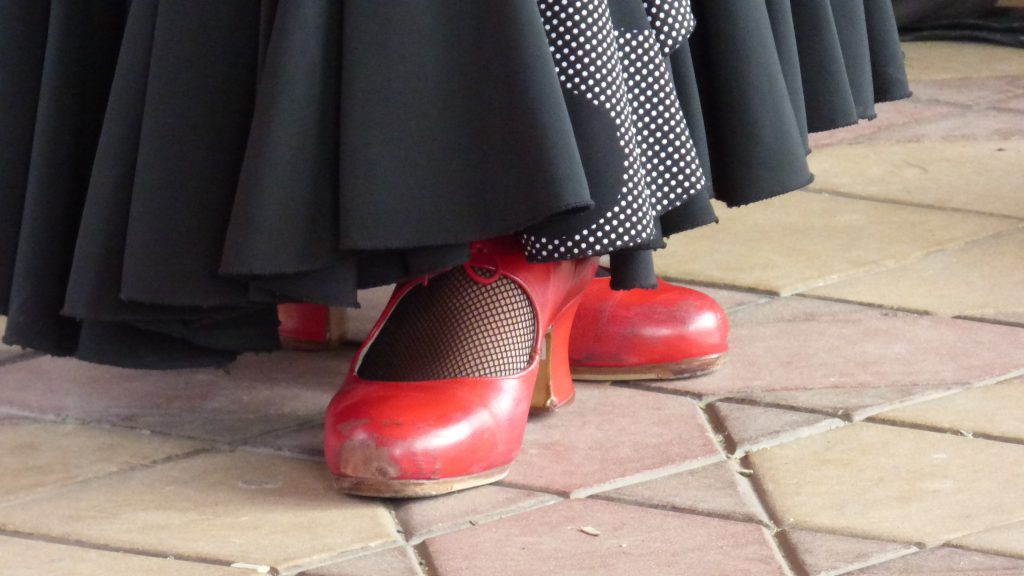
Rumba Flamenca is probably the easiest flamenco style for international visitors to enjoy. It originated from the Cuban rumba before blending with flamenco traditions. World-famous groups such as the Gipsy Kings helped make this style popular around the globe. Its straightforward 4/4 rhythm makes it lively, recognisable and easy to dance to. You’ll hear Rumba Flamenca everywhere in Andalusia:
- on sunny terraces
- during ferias
- on the beach
- at family celebrations
- in tapas bars
It’s the soundtrack of long summer evenings.
Verdiales: Málaga’s own flamenco tradition
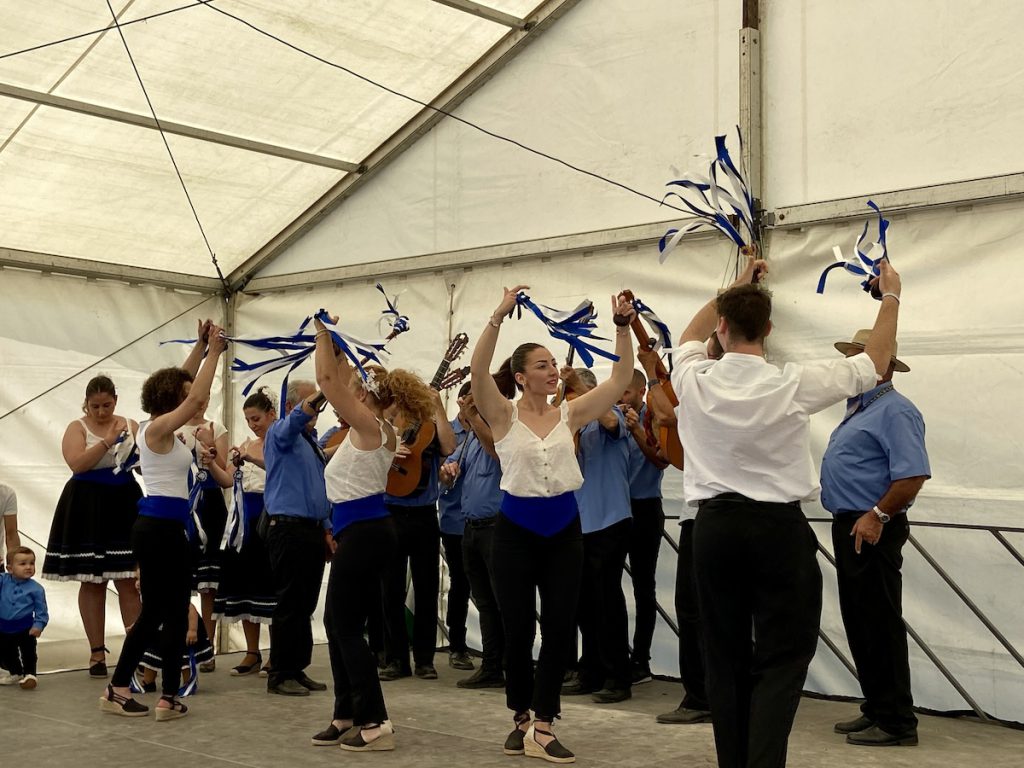
A unique musical tradition found almost exclusively in the province of Málaga is Verdiales. This colourful folk music is performed by groups of musicians wearing traditional costumes and playing violins, guitars, tambourines and castanets. Verdiales is festive, energetic and an important part of Málaga’s cultural heritage. Read more about Verdiales in Andalusia. The first Sunday in May you can enjoy the Verdiales at the Ermita de las tres Cruces.
Where can you watch flamenco in Málaga?
Looking for an unforgettable flamenco show during your holiday? These are our favourite venues.
Peña Juan Breva
The oldest flamenco club in Spain. Here you’ll mainly meet local flamenco enthusiasts rather than tourists. Authentic performances are organised regularly, and the club also houses a small flamenco museum. Perfect if you’re looking for a genuine local experience.
Teatro Flamenco Málaga
One of the most popular places to watch flamenco in Málaga. Professional performances take place several times a day, making it easy to find a show that fits your schedule. An excellent choice if you’re looking for a high-quality flamenco performance.
Alegría Málaga
Would you like to combine dinner with a flamenco performance? At Alegría, you can enjoy an excellent meal while professional dancers, singers and guitarists perform throughout the evening. A popular option for a memorable night out.
El Gallo Ronco
Prefer a smaller, more intimate venue? At El Gallo Ronco you can enjoy delicious food while experiencing an authentic flamenco performance up close. The intimate atmosphere allows you to truly feel the passion and emotion of the artists.
Experience flamenco during a feria
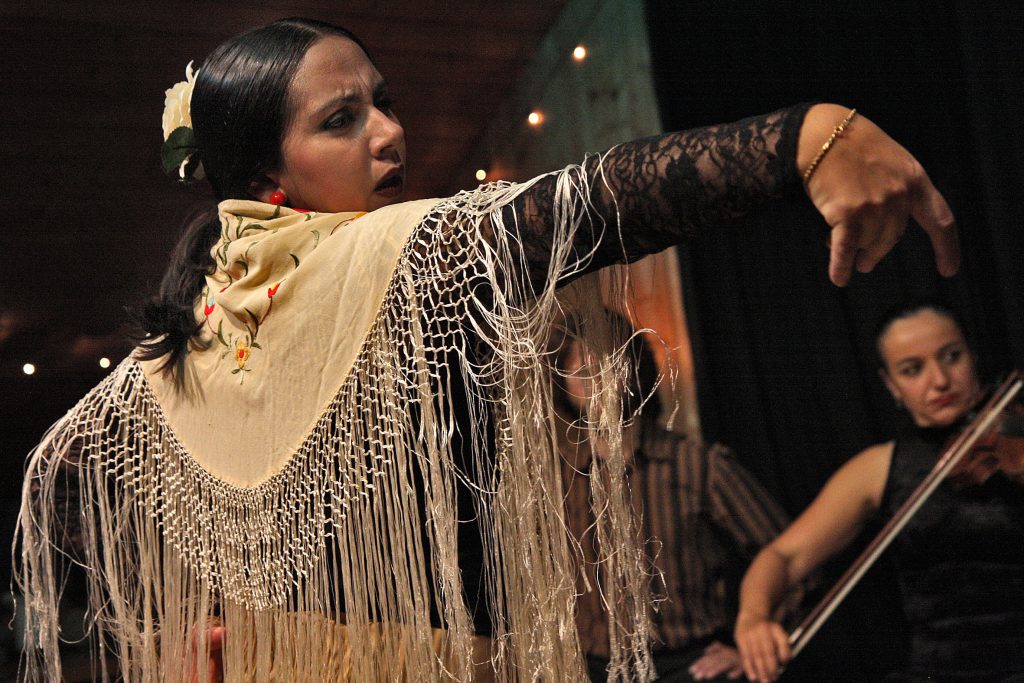
You don’t always need to buy a ticket to enjoy flamenco. If you’re visiting Andalusia between spring and autumn, there’s a good chance you’ll come across a feria somewhere in the region. During these traditional festivals you’ll see people dancing Sevillanas everywhere—often spontaneously in the streets or inside the festive marquees. One of the best things about a feria is that entry is usually free, allowing you to experience authentic Andalusian culture in a completely natural way.
Take a look at our blog post to discover when the biggest ferias in Andalusia take place.
Stay in the heart of Andalusia
Would you like to explore cities such as Málaga, Córdoba, Granada, Ronda and Seville while staying in peaceful surroundings? At Finca Las Nuevas, you’ll stay among olive and almond trees in the beautiful Andalusian countryside. Our small-scale holiday finca is perfectly located for a day trip to Málaga, where you can enjoy an unforgettable evening of flamenco before returning to the tranquillity of nature. We’re also happy to share our favourite local restaurants, hidden gems and the most beautiful places to visit in Andalusia. Check our availability!

Frequently Asked Questions about Flamenco in Málaga
Where can you watch the best flamenco in Málaga?
For an authentic experience, Peña Juan Breva and Teatro Flamenco Málaga are excellent choices. If you’d like to combine dinner with a performance, Alegría Málaga and El Gallo Ronco are both great options.
Can you watch flamenco every day in Málaga?
Yes. Both Teatro Flamenco Málaga and Alegría Málaga offer daily flamenco performances throughout the year.
How long does a flamenco show last?
Most professional flamenco performances last between 60 and 90 minutes.
Should you book tickets in advance?
Yes. Especially during the high season, popular flamenco shows are often fully booked several days in advance.
Is flamenco suitable for children?
Absolutely. Thanks to the lively music, colourful costumes and spectacular dancing, many children thoroughly enjoy watching a flamenco performance.
0 Comments