
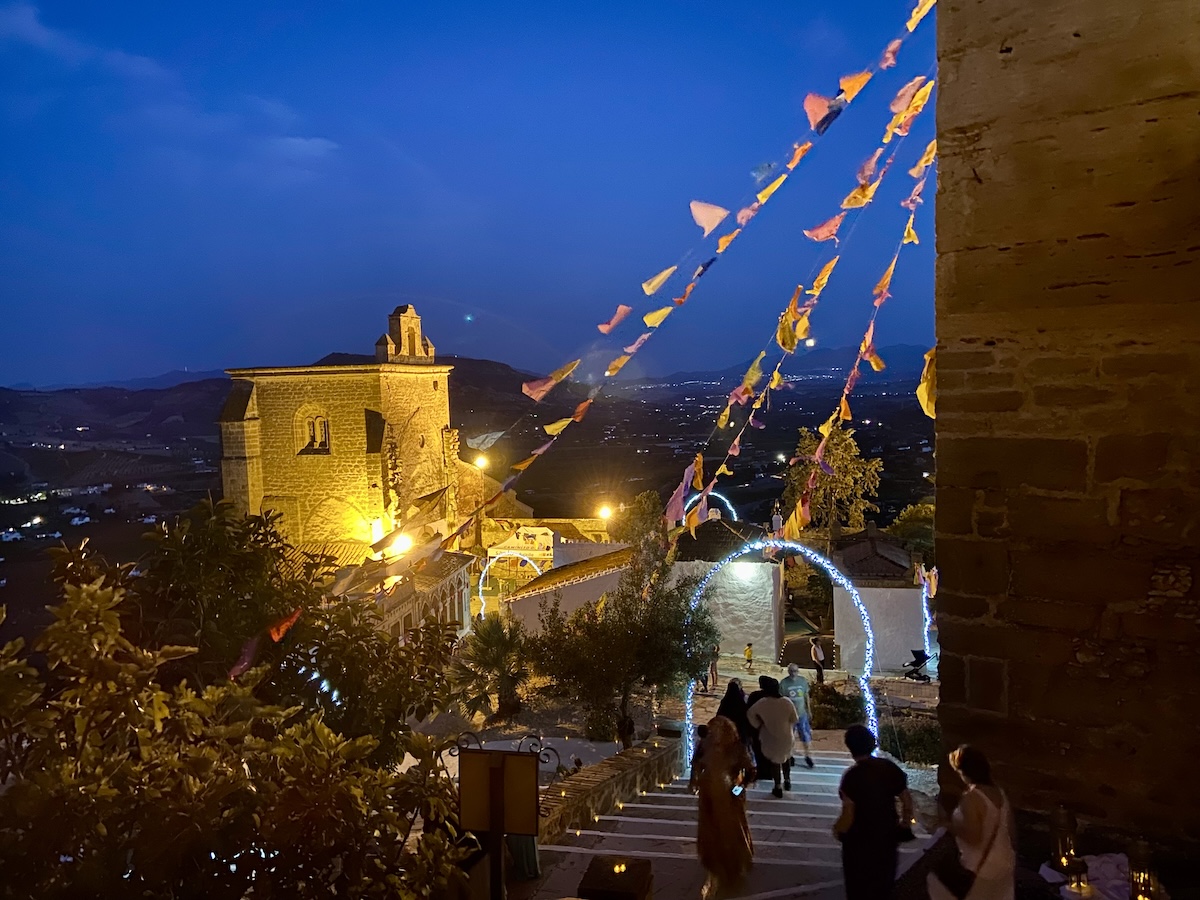
Moorish Influences in Andalusia: 3 Unique Festivals near Málaga. The Moorish influences in Andalusia are still visible everywhere today. Ancient castles, narrow streets, architecture and local traditions all reveal traces of Al-Andalus, the period when large parts of the Iberian Peninsula were under Islamic rule. But around Málaga, you don’t just have to visit historical monuments to discover this Moorish past.
During several unique festivals in Álora, Guaro and Cártama, history comes back to life. Thousands of candles illuminate the streets, squares are transformed into Arab markets and music fills the villages. If you’re staying at Finca Las Nuevas, these atmospheric festivals are a wonderful way to experience a completely different side of Andalusia.
Where do the Moorish influences in Andalusia come from?
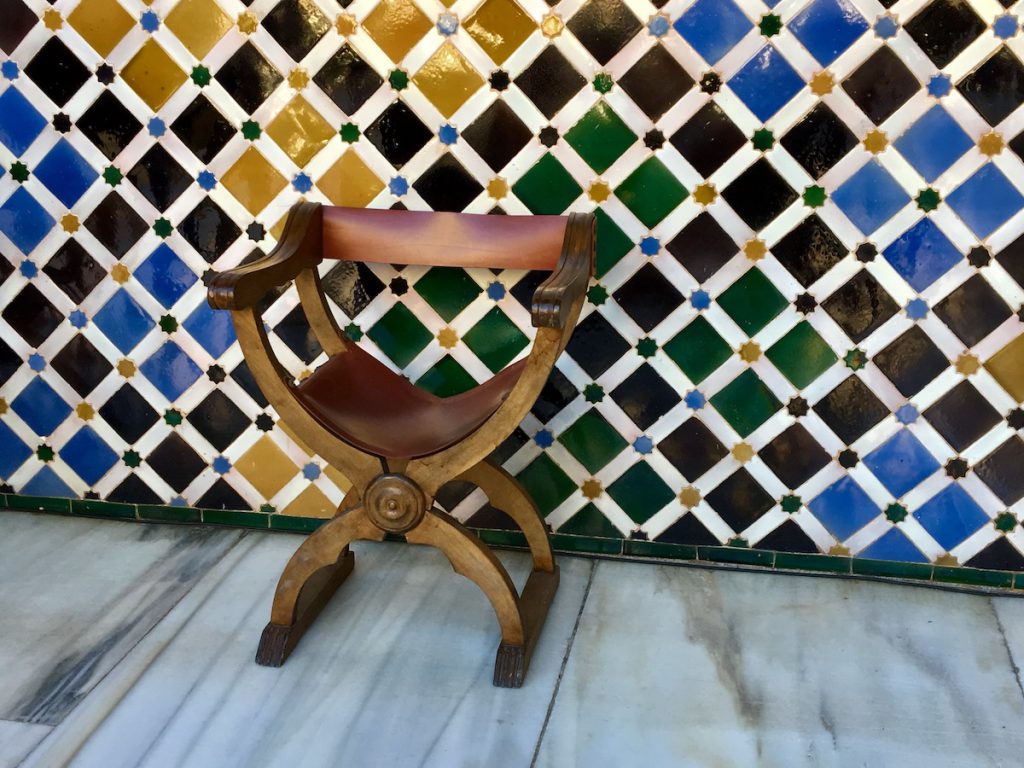
The Moorish history of Andalusia began in 711, when Muslim armies entered the Iberian Peninsula via the area around present-day Gibraltar. Within a relatively short period, they conquered much of the Visigothic kingdom. The Muslim-controlled territory became known as Al-Andalus. Córdoba developed into an important political, economic and cultural centre and eventually became the capital of the Caliphate of Córdoba. Centuries of Islamic presence left a lasting mark on Andalusia.
You can still see it today in castles and fortresses, irrigation systems, architecture, place names and even Andalusian cuisine. The area around Álora and Málaga also played an interesting role in this history.
Omar bin Hafsún and the Moorish history of Álora
One of the most important historical figures in our region was Omar bin Hafsún. During the late 9th and early 10th centuries, he led a rebellion against the Umayyad rulers of Córdoba. From his stronghold at Bobastro, in what is now the province of Málaga, he managed to extend his influence over a large part of the region. The strategically located fortress of Álora also played a role in the conflicts of this period. Eventually, the rebellion was defeated and Córdoba strengthened its control over the region. So when you walk through Álora today or visit its old castle, you’re exploring a place with a long and fascinating history.
Which Moorish festivals can you visit near Málaga?
Several towns and villages in the province of Málaga organise annual festivals celebrating their Moorish and medieval history. Three of the most atmospheric are:
- Las Noches Al-loárabe in Álora
- Luna Mora in Guaro
- Noches de la Bella Jarifa in Cártama
Las Noches Al-loárabe in Álora
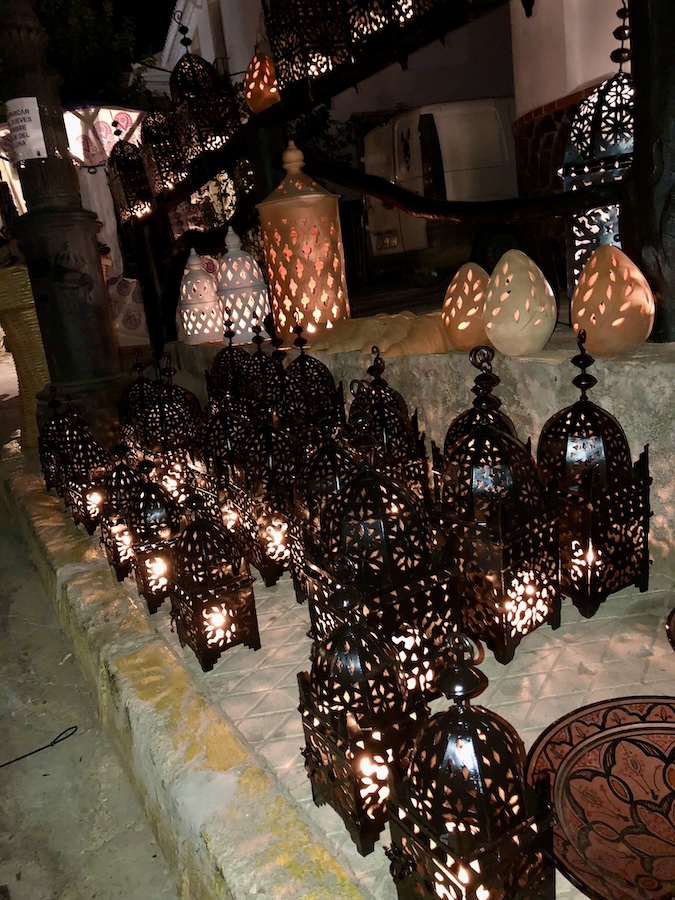
One of our favourite summer festivals near Finca Las Nuevas is Las Noches Al-loárabe in Álora. During this event, Álora’s historic centre is transformed into an atmospheric setting filled with candlelight, music and Arab influences. Thousands of candles illuminate the streets, giving this traditional white Andalusian town an almost magical atmosphere after sunset.
At Plaza Baja de la Despedla, you’ll find an Arab market, or zoco árabe, with stalls, handicrafts and food. Performances take place throughout the historic centre, while musicians and dancers regularly make their way through the streets.
The Castillo de Álora, high above the town, also regularly plays a part in the festivities. From the castle, you have wonderful views across Álora and the Guadalhorce Valley.
Las Noches Al-loárabe is usually held at the beginning of summer. As dates and programmes can change from year to year, we recommend checking the latest information before your visit.
Our tip: don’t just visit the main market. Take some time to wander through Álora’s smaller streets, where the combination of candlelight and whitewashed houses creates a particularly beautiful atmosphere.
Luna Mora in Guaro: a village illuminated by thousands of candles
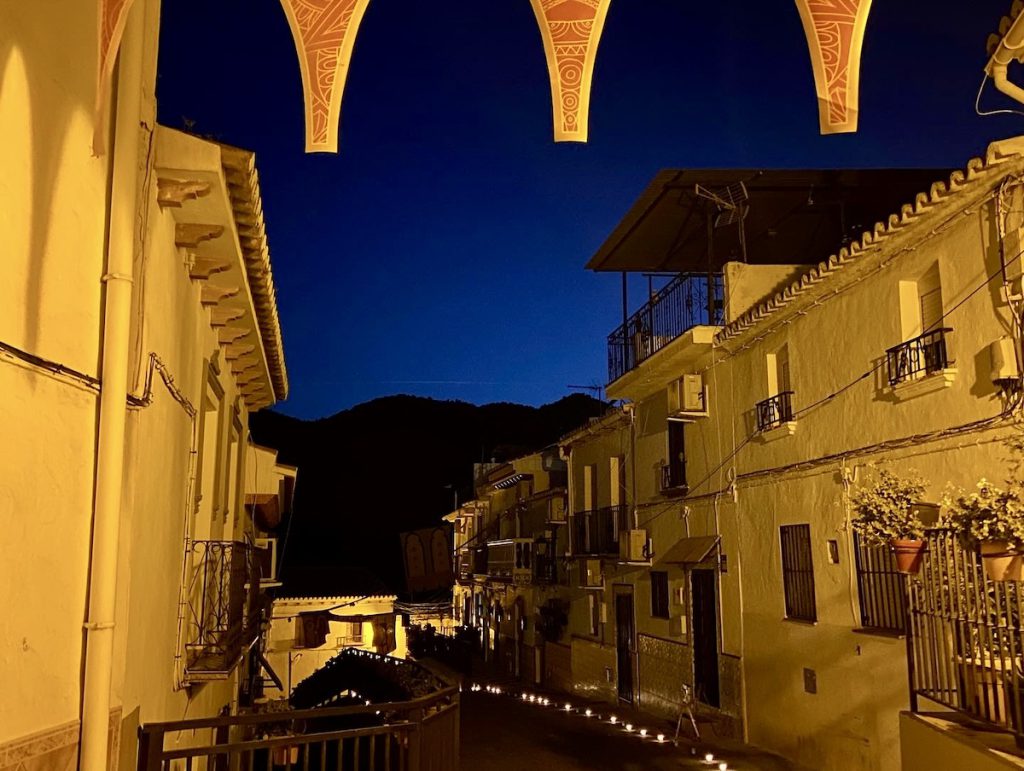
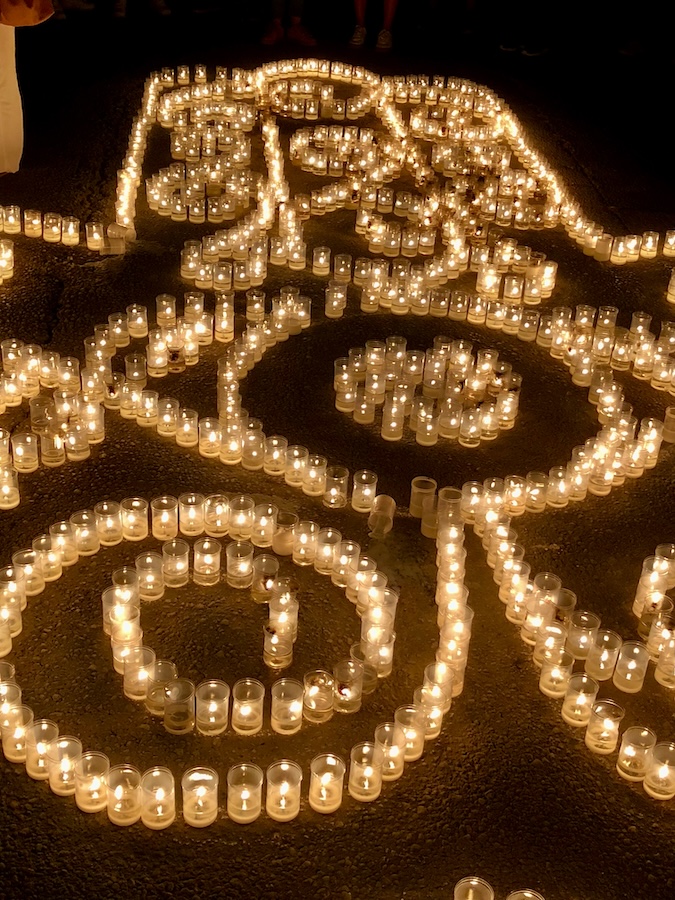
Another famous festival celebrating the Moorish heritage of Andalusia is Luna Mora in Guaro. During Luna Mora, the white mountain village of Guaro is illuminated by thousands of candles. In many parts of the village, electric lighting gives way to the warm glow of candles and lanterns.
Throughout the village, you can enjoy concerts, theatre, storytelling, dancing, exhibitions and street performances. There is also a market selling handicrafts and a variety of delicious treats.
Luna Mora usually takes place in September and attracts many visitors.
Parking tip for Guaro: arrive early. During the busiest hours, the village centre is closed to traffic and visitors have to park outside Guaro. Shuttle buses usually take you from the parking areas to the centre. And wear comfortable shoes! Guaro is built on a hillside, so an evening exploring Luna Mora can involve quite a bit of walking.
Noches de la Bella Jarifa in Cártama
The Moorish and medieval history of Andalusia is also celebrated every year in Cártama Pueblo during Noches de la Bella Jarifa. For several days, the historic centre is transformed into a lively medieval and Moorish market filled with stalls, handicrafts and local food. The narrow streets and squares are beautifully decorated, while music, street theatre, parades, performances and children’s activities take place throughout the centre.
The festival is inspired by the story of Abindarráez and Jarifa, which is connected to the history and legends surrounding Cártama.
Noches de la Bella Jarifa usually takes place at the end of September or beginning of October. On the Saturday you can also watch the Flamenco festival held in the Parque San Cristo. The entrance is free.
Our tip: it’s a good idea to arrive in Cártama Pueblo early. Roads into the historic centre may be closed during the festival, which means you’ll need to park outside the centre and continue on foot or use the available shuttle services.
Which Moorish festival near Málaga is the best to visit?
That depends on the kind of experience you’re looking for. Las Noches Al-loárabe in Álora is a great choice if you’d like to combine an atmospheric local festival with a visit to a typical Andalusian white town. Luna Mora in Guaro is particularly famous for its thousands of candles and magical evening atmosphere. Noches de la Bella Jarifa in Cártama combines Moorish and medieval influences with markets, street performances and activities for the whole family. If your holiday dates allow it, visit more than one. Each village has its own way of bringing Andalusia’s Moorish past to life.
Where else can you see Moorish influences in Andalusia?
The Moorish history of Andalusia isn’t limited to these festivals. Throughout the region, you’ll find extraordinary reminders of the period of Al-Andalus. Some of the most famous examples include the Alhambra in Granada, the Alcazaba of Málaga and the Mezquita of Córdoba, as well as countless castles and watchtowers scattered across the Andalusian landscape.
Closer to Finca Las Nuevas, you can discover this history at places such as the Castillo de Álora, Cártama and the ruins of Bobastro near Ardales. It’s this combination of world-famous monuments and small local festivals that makes exploring the Moorish heritage of Andalusia so fascinating.
Stay in the Andalusian countryside
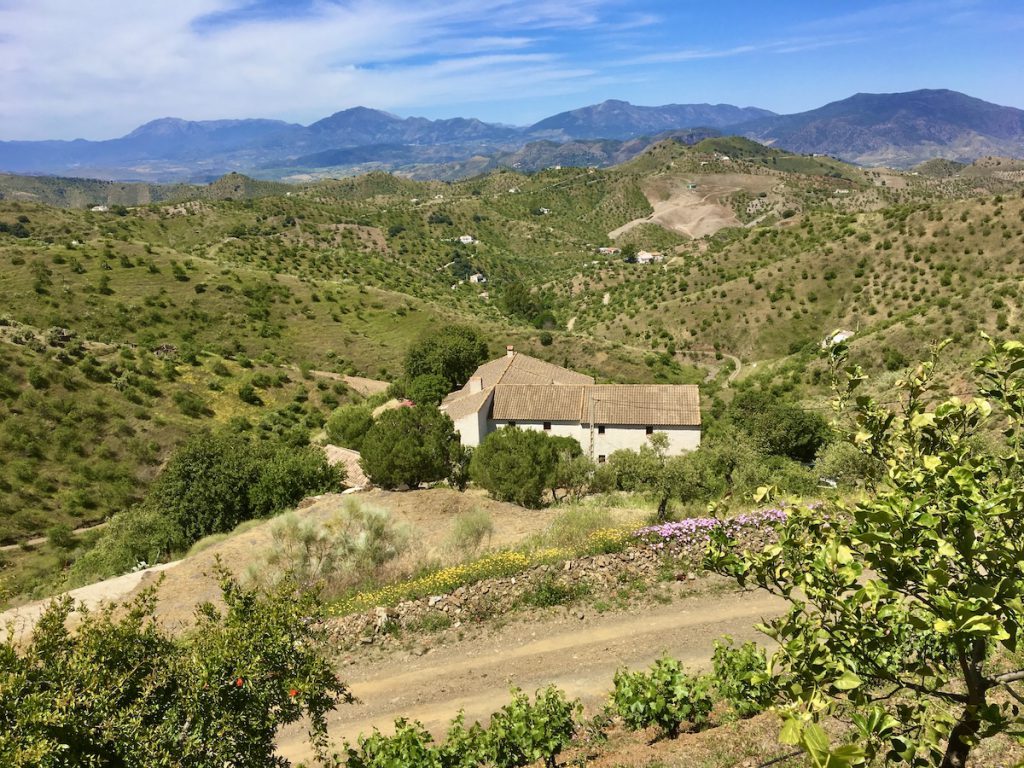
Would you like to combine these festivals with a holiday in the Andalusian countryside? Finca Las Nuevas is surrounded by olive and almond trees in the mountains of Málaga and makes a peaceful base for discovering the villages, historic sites and traditions of this part of Andalusia. Our holiday homes are located on a restored olive farm that is more than a hundred years old. You won’t find Moorish palaces or busy resorts here. Instead, you’ll find tranquillity, nature and everyday life in the Andalusian campo.
From the finca, you can spend your days exploring Málaga, Álora, Caminito del Rey or one of Andalusia’s beautiful white villages before returning to the peace and quiet of the mountains. And whenever we discover a special local festival, market or event? We’re always happy to share our tips with our guests.
Relax, Refresh, Enjoy – and discover the real Andalusia from Finca Las Nuevas.
0 Comments